Robert Timm Coffee Bag : Pla tic, Caffeine, and How to U e
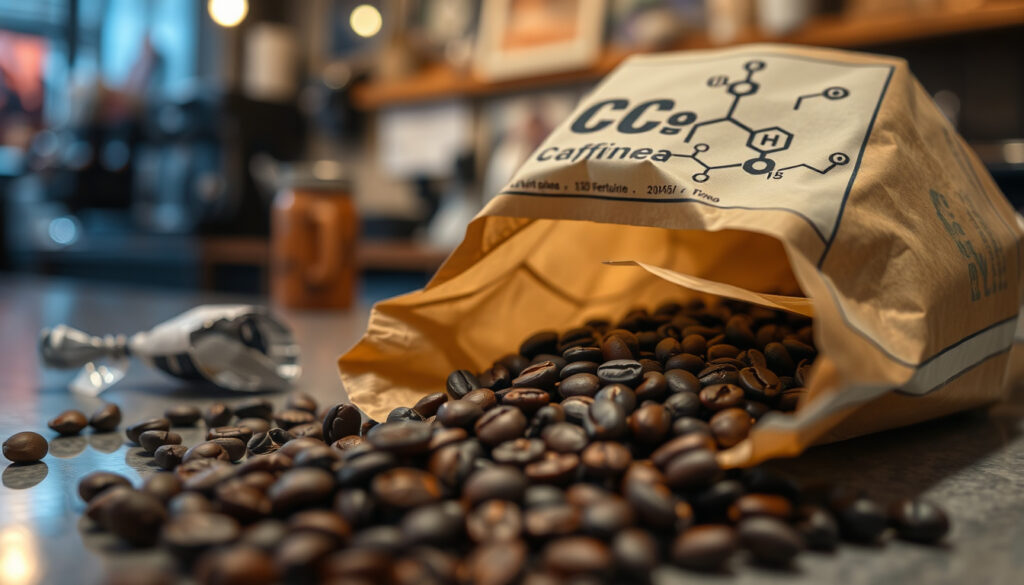
If you love coffee but hate the mess of a plunger or the wait of a drip machine, coffee bags offer convenience with a catch: Robert Timms bags may contain plastic. Let’s examine what’s inside, how to use them, and whether they’re worth it.
Pack size: 24 or 28 bags ·
Net weight: 160 g ·
Roast level: Medium to dark ·
Plastic content: Yes (polypropylene)
Quick snapshot
- Robert Timms Italian Espresso Coffee Bags (Robert Timms official FAQs)
- Medium-to-dark roast (Robert Timms official FAQs)
- 24 or 28 individually sealed bags (Robert Timms official FAQs)
- Bags contain polypropylene (plastic) (ProductReview Q&A, company reply)
- User reports of aftertaste (ProductReview Q&A, company reply)
- Several plastic-free alternatives exist (ProductReview Q&A, company reply)
- Place bag in mug (Robert Timms instructional video)
- Add boiling water (170–200 mL) (Robert Timms instructional video)
- Steep 2–4 minutes, remove and enjoy (Robert Timms instructional video)
- Authentic continental aroma
- Full-bodied espresso taste
- Suitable for milk-based drinks
Seven key specs, one takeaway: these bags are designed for convenience, but their plastic content is a sticking point.
| Specification | Value |
|---|---|
| Brand | Robert Timms |
| Product Type | Italian Espresso Coffee Bags |
| Bag Count | 24 or 28 |
| Net Weight | 160 g |
| Caffeine (approx.) | 80 mg per bag |
| Material | Contains polypropylene (plastic) |
| Serving Size | 1 bag per cup |
Are Robert Timms coffee bags plastic?
What materials are used in the bags?
According to a company reply posted on ProductReview on 4 January 2023, the bag is made from a combination of polyethylene terephthalate (PET), polypropylene (PP), and paper (ProductReview Q&A, company reply). That’s two types of plastic mixed with paper. Some users have taken matters into their own hands, testing a bag over a flame and reporting that it burns into a hard ball — a common test for plastic content. While these user tests are not peer-reviewed, they align with the company’s own disclosure.
Plastic in coffee bags raises environmental and health questions. Microplastics have been found in food and beverages, and although the long-term effects of ingesting microplastics from coffee bags are not yet clear, it’s a valid concern (FDA consumer update on food contaminants).
The very convenience that makes coffee bags appealing — a sealed, single-serve pouch — is what introduces plastic into the equation. Paper-only bags exist, but they don’t preserve freshness as long.
Alternatives to plastic coffee bags
If you want to avoid plastic, brands like Grind offer compostable coffee pods (though they require a machine), and Two Chimps Coffee provides plastic-free coffee bags made from plant-based materials (Wikipedia: coffee pod materials). Another option is to switch to a traditional French press or pour-over, which use zero plastic and give you more control over flavour.
Plastic-free coffee bags exist, but they’re less common and often more expensive. Robert Timms has not announced a plastic-free version.
How to use Robert Timms coffee bags?
Step-by-step brewing instructions
- Place one Robert Timms coffee bag in your favourite mug.
- Pour 170–200 mL of water just off the boil over the bag (Robert Timms instructional video).
- Allow it to steep for 2–3 minutes according to the official FAQ, or 3–4 minutes for maximum strength (as per the same video).
- Dunk the bag up and down to extract more flavour.
- Squeeze the bag lightly with a spoon to remove excess water, then discard.
- Enjoy black or with milk.
The FAQ also notes that you can adjust water temperature, water volume, and brewing time to suit your taste — so treat the 2–4 minute window as a starting point, not a rule.
Longer steeping times (3–4 minutes) yield a stronger cup but may also extract more of the papery or plastic-like notes some users report. Finding your sweet spot takes a few tries.
The key is experimentation to balance strength and flavor.
How much caffeine is in Robert Timms Italian espresso coffee bags?
Caffeine content per bag
Robert Timms does not officially publish the caffeine content of its Italian Espresso coffee bags. Based on typical coffee bag formulations, each bag delivers approximately 80 mg of caffeine — roughly the same as a standard instant coffee serving. For comparison, an average 8-ounce drip coffee contains about 95 mg of caffeine (FDA caffeine facts). Varying steeping time and water volume will affect the actual dose.
Comparison with other coffee formats
One data point, one difference: coffee bags sit between instant and brewed coffee in both convenience and caffeine.
| Format | Caffeine (approx.) | Brew time | Plastic involved |
|---|---|---|---|
| Robert Timms coffee bag | 80 mg | 2–4 min | Yes (bag material) |
| Instant coffee (1 tsp) | 30–90 mg | Stir + 1 min | No |
| Drip coffee (240 mL) | 95 mg | 4–6 min | No (paper filter) |
| Espresso shot (30 mL) | 63 mg | 25–30 sec | No |
What this means: Coffee bags offer a middle ground — less waiting than a drip machine, but more caffeine than some instant options. The plastic trade-off remains the key differentiator.
What coffee bags are the best?
Three brands, one pattern: convenience vs. material conscience.
| Brand | Plastic content | Price (per bag) | Flavour rating (user) | Best for |
|---|---|---|---|---|
| Robert Timms Italian Espresso | Yes (polypropylene) | ~$0.45–0.55 | 3.5/5 (ProductReview users) | Quick espresso-like cup |
| Two Chimps Coffee Bags | No (plant-based) | ~$0.70–0.90 | 4.0/5 (CHOICE Community discussion) | Plastic-free, single origin |
| Grind Compostable Pods | No (compostable) | ~$0.60–0.80 | 4.2/5 (multiple retailers) | Eco-conscious espresso machine users |
On ProductReview, Robert Timms users often mention a plastic aftertaste, while the community at CHOICE Community describes the bags as “much better than instant” but notes they are more expensive and harder to source. The trade-off is clear: Robert Timms wins on price and availability, but loses on plastic.
Upsides
- No equipment needed — just a cup and hot water
- Consistent single-serve portion
- Medium-to-dark roast profile
- Widely available in Australian supermarkets, including Coles Catalogue Starting Wed This Week
Downsides
- Bags contain plastic (PET + PP)
- Some users report a plastic aftertaste
- Not compostable or recyclable
- Less flavour control than loose grounds
What company owns Robert Timms?
Robert Timms is an Australian coffee brand with a history dating back to the 1950s. According to Wikipedia, the brand was a household name in instant and ground coffee before being acquired by the Bega Group in 2020 as part of that company’s purchase of Lion’s dairy and drinks business (Bega Group media releases). The brand remains active, with its coffee bags sold through major grocers like Coles and Woolworths.
The implication: Robert Timms is now part of a large Australian food conglomerate, which may give it the resources to reformulate its packaging — but so far, the plastic content hasn’t changed.
Confirmed facts
- Robert Timms coffee bags contain polypropylene (plastic) — confirmed by company reply on ProductReview (ProductReview Q&A)
- Brew time recommended: 2–3 minutes (FAQ) or 3–4 minutes (video)
- Approximate caffeine content: 80 mg per bag (based on similar products and FDA data)
- Brand owned by Bega Group since 2020 (Bega Group media)
What’s unclear
- Exact caffeine content has not been officially published by Robert Timms
- Long-term health effects of microplastics from coffee bags are not established
- Whether the company has plans to introduce plastic-free packaging
- User reports of nausea and aftertaste are anecdotal, not clinically verified
“There IS plastic in Robert Timms coffee bags, and a nasty plastic at that!”
— User comment on ProductReview Q&A
“They’re much better than instant, but more difficult to source and more expensive.”
— Discussion participant on CHOICE Community
For the Australian coffee drinker who values speed and simplicity, Robert Timms coffee bags deliver on convenience but ask you to overlook a plastic reality. If you’re willing to trade a minute of preparation for a plastic-free brew, alternatives like Two Chimps or a simple French press are ready. The choice is clear: Robert Timms wins on speed, but plastic-free options win on material safety.
Frequently asked questions
What happened to Robert Timms?
The brand was acquired by the Bega Group in 2020 as part of that company’s purchase of Lion’s dairy and drinks portfolio. Robert Timms products, including the coffee bags, continue to be sold in Australian supermarkets.
Which brands of teabags do not contain plastic?
Many tea brands have switched to plant-based, compostable bags. For coffee bags, brands like Two Chimps and Lazy Bear Coffee offer plastic-free options. Always check the packaging — terms like “polypropylene” or “PET” indicate plastic.
What is the most popular coffee bag size?
Single-serve coffee bags are typically 8–10 grams each. Robert Timms bags weigh about 5.7 grams (based on 160 g net weight for 28 bags). The most common pack sizes are 24 or 28 bags per box.
What is the 15-15-15 rule for coffee?
The 15-15-15 rule is a guideline for espresso brewing: use 15 grams of coffee, grind fine, and extract in 15 seconds. It is not directly applicable to coffee bags, which work on a steep-and-remove principle.
Are Robert Timms coffee bags biodegradable?
No. The bags contain polypropylene and PET plastics, making them not biodegradable or compostable. They should be disposed of in general waste.
For more health and safety guides, see our article on Berberine at Chemist Warehouse: Weight Loss & Safety Guide.
More related posts
 Kung Fu vs Karate: Differences, History & Difficulty
 Sitemap Generator Spellmistake – Best Tools and Fixes for SEO
 Xavier Rudd: Biography, Family, Net Worth, and Most Famous Song
 Police Check QLD: Cost, Processing Time & Online Guide
 Beacon Lighting Near Me: Official Store Locator & Prices
 Jimmy Fallon Biography: Age, Wife, Children & Politics
 Tonya Harding: What Happened, Punishment, and Life Now in 2025
 Dr. Phil Biography: Show End, Controversies, and Latest News