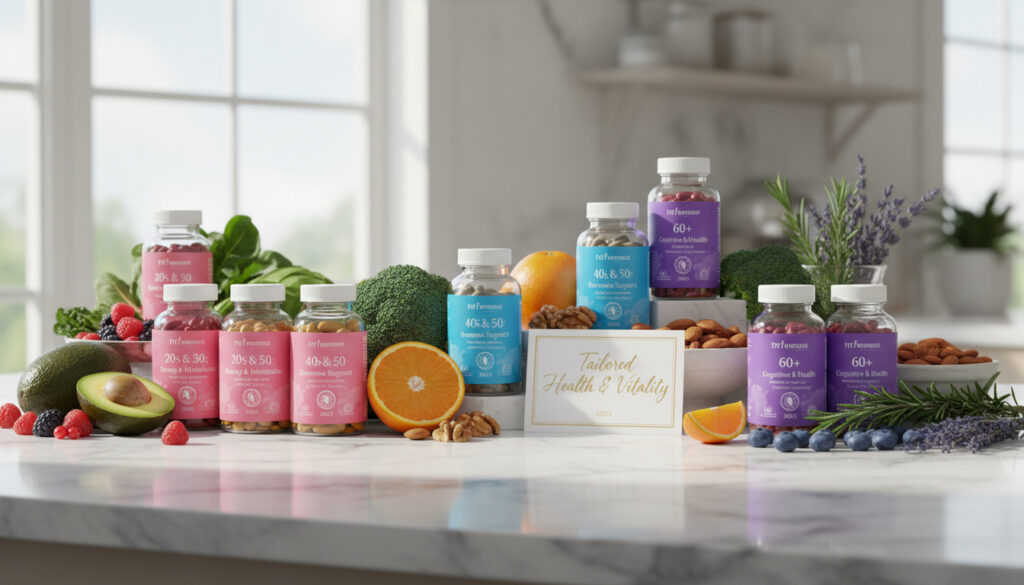
Multivitamin for Women – Best 2025 Picks by Age and Needs
The supplement aisle presents a paradox for many women. Despite attempts at balanced eating, nutrient gaps persist due to menstruation, hormonal shifts, and life stage transitions. Multivitamins marketed specifically for women promise to bridge these divides, yet formulations vary dramatically in content, quality, and necessity.
Determining which products deserve shelf space requires looking beyond marketing claims. Third-party testing, bioavailable nutrient forms, and alignment with individual dietary patterns separate effective supplements from expensive placebos. This analysis examines evidence-based recommendations for 2025.
Ritual Essential for Women 18+ ranks as the top overall choice according to reviews from Women’s Health Magazine and Medical News Today. The NSF-tested vegan formula provides vitamin D, folate as methylfolate, and omega-3s, though it deliberately excludes iron and calcium to prevent excess accumulation. For women over 50, Thorne Women’s Multi 50+ offers targeted support with calcium, vitamin B6, and lutein while remaining iron-free. Pregnant women requiring specialized nutrition should consider Thorne Basic Prenatal, which emphasizes folate and iron concentrations essential for fetal development.
Iron, Folate, Vitamin D, Calcium
20s (energy), 40+ (bone health), Pregnancy (folic acid)
Gummies, Tablets, Capsules
$10-30/month
- Iron deficiency affects approximately 9% of premenopausal women, necessitating 18mg daily
- Post-menopausal women require significantly less iron but increased calcium intake
- Third-party NSF or USP certification indicates purity and accurate labeling
- Food-based formulations like Garden of Life MyKind reduce gastrointestinal side effects
- Gummy vitamins typically exclude iron and calcium while adding 2-3 grams sugar per serving
- Vegan certified products must exclude gelatin, common in tablet binding agents
- Monthly costs range from $12 for generic tablets to $53 for premium specialized blends
| Nutrient | RDA (Women 19-50) | Common Deficiency | Examples |
|---|---|---|---|
| Iron | 18 mg | Menstruating women | Centrum, One A Day |
| Folate | 400 mcg DFE | Pregnancy risk | Ritual, Thorne Prenatal |
| Vitamin D | 600-800 IU | Low sun exposure, over 50 | OLLY, Ritual |
| Calcium | 1,000-1,200 mg | Post-menopause bone health | Centrum, Thorne 50+ |
| Vitamin B12 | 2.4 mcg | Vegan diets, over 50 | Nature Made, Garden of Life |
| Omega-3s | Not established | Dietary gaps | Ritual (algae-based) |
| Biotin | 30 mcg | Hair/skin concerns | Garden of Life MyKind |
| Vitamin B6 | 1.3-1.5 mg | Cognitive support | Thorne 50+ |
What Vitamins Do Women Need Most?
Women’s physiological requirements diverge significantly from men’s due to menstrual blood loss, pregnancy demands, and menopausal bone density changes. Research from Prevention Magazine and Medical News Today identifies specific non-negotiable nutrients that formulations must address to provide value.
Iron stands paramount for reproductive-aged women. The 18mg daily recommendation drops to 8mg post-menopause, creating complexity in selection. Meanwhile, folate requirements peak during pregnancy at 600mcg DFE to prevent neural tube defects.
Premenopausal women require 18mg iron daily, but this need diminishes to 8mg after menopause. Selecting an iron-free formula like Thorne Women’s Multi 50+ prevents excessive accumulation in postmenopausal women, while those under 50 should prioritize options containing 18mg.
Bone Health and Immunity: Vitamin D and Calcium
Vitamin D and calcium operate synergistically for bone integrity. Women over 50 face accelerating osteoporosis risk, requiring 1,200mg calcium and 800 IU vitamin D daily. However, many multivitamins including Ritual omit calcium due to bulk and absorption timing issues with iron.
Methylation and Neural Support: Folate and B12
Folate and vitamin B12 support red blood cell formation and neurological function. Ritual utilizes methylfolate, the bioactive form bypassing common MTHFR genetic variants affecting folic acid metabolism. B12 absorption declines with age, making supplementation critical for women over 50.
Iron and folate supplements may interact with antibiotics, thyroid medications, and certain osteoporosis drugs. Medical consultation remains essential before initiating supplementation, particularly for women taking prescription medications.
Do Women Need a Multivitamin?
The necessity of supplementation remains debated in nutritional science. Current evidence suggests these products function primarily as insurance rather than performance enhancers for already healthy individuals.
Dietary patterns determine necessity more than demographics. Women consuming the Healthiest ready-made meals with varied whole foods may meet requirements without pills. However, those following restrictive diets, experiencing heavy menstrual cycles, or managing autoimmune conditions face genuine deficiency risks.
The Diet-First Reality
Evidence emphasizes that multivitamins cannot replicate whole food matrices. The fiber, phytochemicals, and enzyme cofactors present in fruits and vegetables contribute to health outcomes isolated vitamins cannot achieve. Supplementation should address documented deficiencies identified through bloodwork rather than preemptive dosing.
Populations Showing Measurable Benefit
Research indicates specific groups derive tangible benefits: pregnant women requiring folate, vegans needing B12 and iron, adults over 50 with reduced nutrient absorption, and those with diagnosed deficiencies. For these populations, multivitamins reduce deficiency risks significantly.
Potential Adverse Effects
While generally safe, side effects include nausea, particularly with iron-containing formulations on empty stomachs. Food-based options like Garden of Life MyKind minimize gastrointestinal distress. Gummy formulations introduce added sugars, potentially conflicting with metabolic health goals.
What Should I Look for in a Women’s Multivitamin?
Selecting appropriate supplementation requires evaluating certification standards, delivery formats, and cost-to-value ratios. The market segmentation between $12 monthly generics and $53 premium brands reflects genuine differences in nutrient forms and testing rigor.
Third-party verification separates quality products from potentially contaminated alternatives. NSF and USP certifications indicate independent laboratory verification of ingredient purity and label accuracy.
NSF and USP third-party testing verifies that multivitamins contain the stated ingredients without harmful contaminants. Prioritize products displaying these certifications, particularly when selecting prenatal or specialized formulations.
Delivery Format Considerations
Tablets offer cost efficiency at $12-13 monthly but may contain binding agents incompatible with vegan diets. Capsules provide superior absorption for nutrients like vitamin D and omega-3s. Gummies appeal to palatability but typically lack iron and calcium while contributing dietary sugar.
Specialized Dietary Requirements
Vegan formulations must exclude gelatin capsules and animal-derived vitamin D3. Garden of Life MyKind and Ritual offer certified vegan options utilizing plant-based cellulose capsules and algae-derived omega-3s. Understanding McDonald’s nutrition info highlights how processed food diets create different supplementation needs compared to whole food approaches.
How Has Women’s Supplementation Evolved?
- : First synthetic multivitamins developed for general population use
- : Introduction of gender-specific formulas recognizing distinct female nutritional needs
- : Establishment of gender-specific RDAs by nutritional boards
- : Rise of food-based and whole-food multivitamins emphasizing bioavailability
- : Personalized nutrition and vegan-certified formulations dominate market trends
What Do We Know for Certain?
- Multivitamins reduce deficiency risks in pregnant women, vegans, and those over 50
- Third-party testing (NSF/USP) ensures product purity and label accuracy
- Iron requirements drop from 18mg to 8mg post-menopause
- Food-based formulas reduce gastrointestinal side effects compared to synthetic isolates
- Longevity benefits for well-nourished individuals without diagnosed deficiencies
- Superiority of natural versus synthetic nutrient forms in clinical outcomes
- Optimal dosing strategies across diverse genetic and ethnic backgrounds
- Long-term interaction effects between high-dose supplements and prescription medications
Why Do Women’s Needs Differ?
Biological sex creates distinct nutritional requirements beginning at puberty. Menstrual blood loss depletes iron stores monthly, while pregnancy demands increase folate, calcium, and caloric intake significantly. Menopausal transitions alter metabolism, reducing iron needs while increasing demand for bone-supporting nutrients.
These physiological realities necessitate formulation adjustments impossible to address with unisex supplements. The 2025 market reflects this specialization, with products targeting specific decades of life rather than generic “adult” categorizations.
What Do Health Authorities Say?
Multivitamins reduce deficiency risks but offer limited benefits for well-nourished people; they’re most useful for over 40/50, pregnant, vegans, or those with poor diets.
— Synthesis of NIH, Mayo Clinic, and Harvard research via Medical News Today
Women may not need multivitamins if eating a varied healthy diet, but gaps are common in iron/folate for reproductive years and calcium/D for older women.
— Medical News Today analysis
Key Takeaways on Multivitamins for Women
Supplementation represents one component of nutritional health. Prioritizing Healthiest ready-made meals, monitoring blood biomarkers, and consulting healthcare providers creates more impact than any pill selection. For women choosing to supplement, selecting third-party tested products aligned with specific life stages offers the highest probability of benefit.
Frequently Asked Questions
Are multivitamins necessary if I eat healthy?
Not necessarily. Women consuming varied whole-food diets may meet all requirements without supplementation. Blood testing reveals actual deficiencies better than assumptions.
Which multivitamin is best for women with iron deficiency?
Centrum Multivitamin for Women and One A Day contain 18mg iron suitable for menstruating women. Post-menopausal women should avoid high-iron formulas unless specifically deficient.
What vegan multivitamin options exist for women?
Garden of Life MyKind Organics and Ritual Essential provide certified vegan formulations utilizing plant-based capsules and excluding animal-derived ingredients like gelatin.
Can multivitamins interact with prescription medications?
Yes. Iron and folate may interfere with antibiotic absorption and thyroid medications. Always consult healthcare providers before combining supplements with prescriptions.
How much should quality women’s multivitamins cost?
Quality multivitamins range from $12 monthly for tablets like Nature Made to $33-53 for premium capsules. NSF-certified products typically cost more than uncertified alternatives.
More related posts
 Pharrell Williams: Synesthesia, Net Worth & Biggest Hits
 Gua Sha Tool: Benefits, How to Use, Reviews & Risks
 Woolworths Alice Springs: Prices, Online Shopping & More
 Aloe Vera Gel – Evidence-Based Benefits for Skin and Hair
 Renee Gracie: Supercars Pioneer to OnlyFans to GT Winner
 Laura Benanti: Tony Winner, Supergirl Star & Broadway Actress
 2025 Honda Civic Ireland: Price, Specs, Problems & Buying Guide
 Bench Seat Guide: History, DIY Projects, and Modern Types